Choosing between ceramic and porcelain for your Outdoor Patio Tiles can be a pivotal decision in home improvement and interior design. The right choice not only enhances the aesthetic appeal of your outdoor space but also ensures long-term durability. This article will dissect the characteristics of ceramic and porcelain tiles, analyze their durability, and explore the factors that influence their longevity. By the end, you’ll have a clearer understanding of which tile suits your outdoor needs best.
Ceramic Outdoor Patio Tile: Characteristics and Durability
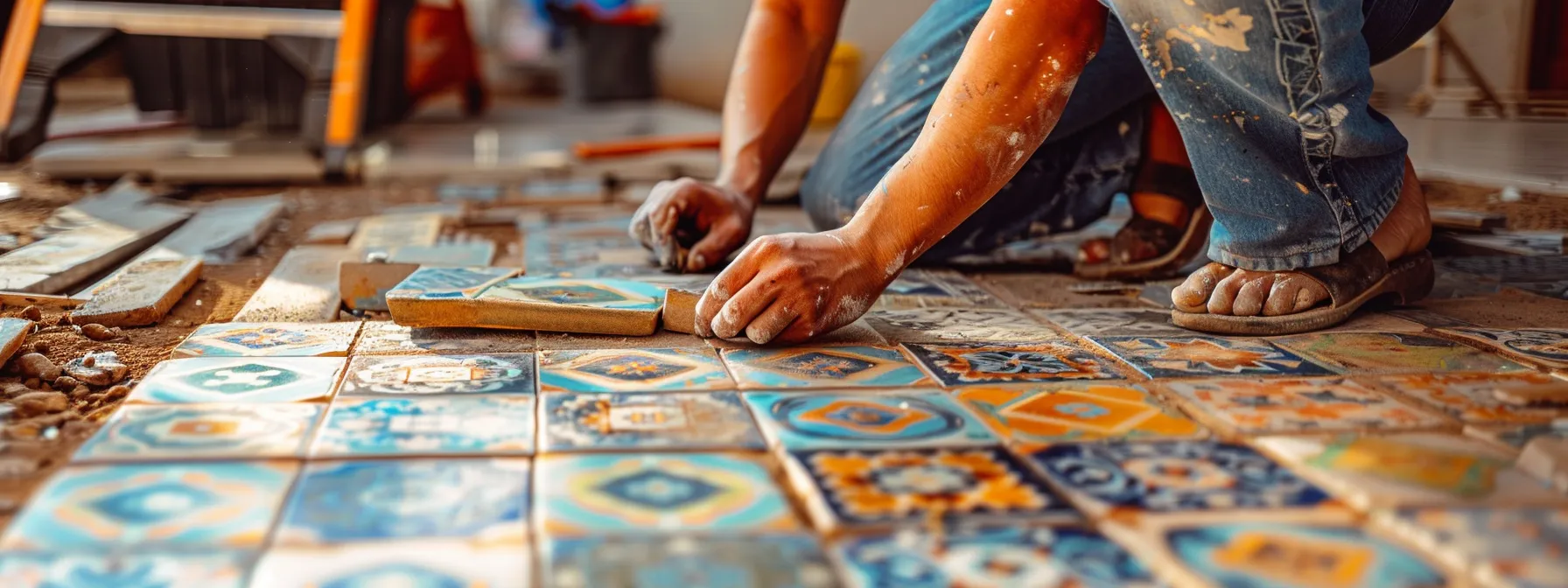
Ceramic tiles are known for their extensive use in home improvement projects due to their cost-effectiveness and versatility. These tiles are manufactured using a process that involves firing clay at lower temperatures than porcelain, resulting in a softer and more porous material. This porosity means that ceramic tiles are generally less water-resistant, which can impact their durability when used outdoors. However, ceramic tiles can still be a viable option for areas with mild climates if they are properly sealed and maintained, especially with options like Outdoor Patio Tile available.
In terms of design development, ceramic tiles offer a wide range of colors and patterns, providing ample opportunities for color theory application. However, because they are less dense, they are more susceptible to cracking under heavy loads or extreme weather conditions. Despite this, ceramic tiles can still be a viable option for areas with mild climates if they are properly sealed and maintained.
Porcelain Outdoor Patio Tile: Key Features and Strength
Porcelain tiles are a popular choice for outdoor spaces, especially in projects focused on hardscape design. These tiles are manufactured by firing clay at much higher temperatures, resulting in a denser and more durable product. The increased density of porcelain makes it less porous and highly resistant to water absorption, which significantly enhances its durability outdoors.
Porcelain tiles are also favored for their ability to withstand temperature fluctuations and heavy foot traffic without losing their structural integrity. Furthermore, they often come with an EPD (Environmental Product Declaration), certifying their sustainability credentials, which is increasingly important in projects seeking LEED Certification. Their robustness often translates into a higher initial cost, but their longevity can make them a more economical choice over time.
Comparative Analysis of Ceramic and Porcelain Durability
When comparing the durability of ceramic and porcelain outdoor tiles, one must consider their resistance to elements and wear. Porcelain tiles generally outperform ceramic tiles in terms of durability due to their low porosity and high density. This makes them less prone to moisture infiltration, freezing, and thawing cycles, which are common challenges in outdoor applications.
According to a recent report by Architectural Digest, porcelain tiles can withstand heavy loads and harsh weather conditions more effectively than ceramic tiles. This makes them an ideal choice for areas with high foot traffic or where heavy outdoor furniture is used. For those interested in sustainable design, porcelain’s durability aligns well with sustainable materials assessment protocols, which focus on long-term environmental impacts.
For those seeking versatile design options, ceramic tiles can be a suitable choice if the outdoor area is covered or in regions with mild weather. However, for those prioritizing robustness and longevity, porcelain tiles offer a better return on investment as an Outdoor Patio Tile.
Factors Influencing the Longevity of Outdoor Patio Tiles
The longevity of Outdoor Patio Tiles is influenced by several factors, including installation quality, climate, and maintenance practices. Proper installation, which often involves detailed schematic design and CAD planning, ensures that tiles are laid correctly, reducing the risk of cracking and shifting over time.
Climate plays a significant role; tiles used in areas with harsh weather conditions must be able to withstand temperature extremes and moisture exposure. Porcelain tiles are particularly adept at enduring these conditions due to their low absorption rate. Regular maintenance, including sealing and cleaning, can also extend the life of both ceramic and porcelain tiles, although porcelain requires less frequent attention.
Lastly, the use of sustainable materials and careful space planning analysis can further enhance the longevity and environmental impact of your project, ensuring that your outdoor patio remains a durable and eco-friendly space.
Conclusion

When deciding between ceramic and porcelain Outdoor Patio Tiles, understanding their material properties is key. Porcelain tiles generally offer superior durability, making them more suitable for challenging outdoor environments. However, ceramic tiles can be an economical and aesthetically pleasing choice for less demanding conditions. Ultimately, the decision should align with your specific design requirements and environmental conditions, ensuring a balance between durability and visual appeal.